Snow day in Knoxville!

It is a rare feast to have such a beautiful snow day in Knoxville and I’m thoroughly enjoying it. We went for a walk to the store and back and people were in shock: “Did you get stuck??” No, we didn’t drive – we wanted to walk :-).

Now we are back inside and enjoying the snow show and getting a craving for a cup of hot chocolate. We just returned from a wonderful holiday trip to my homeland, Romania, so I brought some real cocoa powder back with me. I also bought some whole milk from Cruze Farms and I’m about to mix up some goodness, and hang out by the fireplace, alongside my husband, dogs, and cat. I might read something and relax…

If you feel like some light reading, here is a nice seasonal article I wrote (partly published in the January/February issue of Cityview Magazine). Enjoy and happy snow day!

ComfortInACup

Comfort in a Cup

By Oana Harrison

Photography by Kellie Ward

Hot cocoa and coffee deliver more than warmth and cozy comfort: they provide powerful antioxidants, give you energy, make you smarter, and put you in a good mood. So drink up!

Ancient beans

Whether they knew it or not, the Mayans were on to something when they created a mixture of cocoa seed paste, water, cornmeal, and chili peppers, some 2000 years ago. Served cold, this bitter and spicy concoction became the go-to medicine against fatigue and bad mood in Aztec times. Leave it to the Europeans to sugar-coat things… The Spaniards introduced cocoa to Europe in the 16th century, replaced chili peppers with sugar, and warmed things up for an exotic and healing beverage of the elite.

Later on, the Dutch created a more soluble and palatable cocoa powder, known today as Dutch-processed cocoa. The unsweetened cocoa powder has its natural acids neutralized with an alkali, resulting in a milder, less bitter flavor and a darker, richer color. Many baking recipes today call for Dutch-processed cocoa instead of raw unsweetened cocoa powder. Not only is Dutch-processed cocoa easier to dissolve but it also has less fat, as the process removes cocoa butter. The trade-off? Natural, unsweetened cocoa powder can deliver up to 90 percent more antioxidants than Dutch-processed.

Coffee beans also started their journey into our everyday diets in ancient times, in Ethiopia – and thank goat for it! Legend has it that a goat herder noticed his kids eating berries from a certain tree and become even more rambunctious than their usual goat-like display of energy. He shared the discovery with a local abbot who made a drink out of the berries and noticed that he too couldn’t stand still after consuming the brew. The news and beans traveled to the Arabic peninsula, and made their way into Europe. As irony will have it, Venetians condemned it as being the bitter creation of Satan, even if the first brew was stirred by a clergy man. The Pope himself had to taste it to believe it. He was so pleased that he gave it his blessing, and the rest is history. By mid-17th century, coffee replaced the once common breakfast brews of the time – beer and wine. Coincidentally, productivity improved considerably!

Magical beans

Both cocoa and coffee are very powerful little beans, leading the antioxidant pack in our modern-day diets. According to a study conducted at Cornell University, hot cocoa has almost twice the antioxidant concentration of red wine, three times that of green tea, and four to five times that of black tea. Moreover, heating up the brew releases more antioxidant power. Coffee provides powerful antioxidants both in its caffeinated and decaf versions. There are more antioxidants in freshly brewed coffee, which studies showed to be especially effective in battling liver, colon, and prostate cancer.

Cocoa beans contain flavonoids which help the body process nitric oxide – in other words, drink hot cocoa and you’ll improve your blood flow, lower your blood pressure, and have a happier heart! Coffee is also good for the heart, reducing the risk of stroke by 20% in women who consume one or two cups of coffee per day. The flavonoids in your cup will also make you smarter, boosting your brain’s function and decreasing the risk of dementia, Parkinson’s disease, and Alzheimer’s.

If you have the winter blues, cocoa and coffee can help put you in a better mood. They both contain phenethylamine, a mood elevating neurotransmitter in the brain. Cocoa might also boost endorphins, which are responsible for the highs we feel after a good run or laughing out loud. Studies found that cocoa may boost serotonin, which is the neurotransmitter that antidepressants target in order to boost overall happiness levels.

Cocoa will make you happy for other reasons too: it makes chocolate, for one, but also, in its raw form, cocoa is very rich in Magnesium and Sulphur, which are important in strengthening bones and nails, as well as in maintaining liver and pancreas health. Coffee also contains minerals such as Magnesium and Chromium which help regulate insulin levels, thus fighting type 2 diabetes and helping overall liver health.

Cocoa’s healing powers are nothing cough at: throughout the history, cocoa has been used for the treatment of bronchitis and as a cough suppressant. Rich in theobromine, a bitter-tasting alkaloid often associate with drugs like morphine and cocaine, cocoa is truly powerful. Theobromine means “the food of gods” in Greek (theon – gods + brôma – food) and it gives cocoa and chocolate extra healing powers. Theobromine affects the vagus nerve that connects the lungs to the brain, and it can relax the bronchi muscles in the lungs, thus inhibiting coughs.

Cocoa has a reputation for containing caffeine and chocolate is blamed for sleepless nights. However, the true culprit is again the theobromine. Like most alkaloids, theobromine has a stimulant effect similar to caffeine but ten times weaker. Coffee, on the other had does have caffeine and should be consumed in moderation by people with high blood pressure, arrhythmia, or who are prone to insomnia.

Even if both coffee and cocoa have many health benefits, indulge in moderation and be especially careful when choosing additives such as sweeteners and dairy. Choose the dark cocoa powder, and limit the intake of added sugar and milk. One cup of plain coffee has only 2 calories, while adding one tablespoon of plain liquid nondairy creamer will add 25 calories and 2 g fat. Whipped cream is not good news, adding one tablespoons of whipped cream will add 90 calories and 9 g of fat. To cut calories, use skim or low-fat milk, or try soymilk. Instead of using sugar, try one of the natural, zero-calorie sweeteners like Stevia, which is a plant-based sweetener that won’t lose its sweetness when heated.

Keep in mind that chocolate will contain more fat from cocoa butter than a cup of hot cocoa. Two tablespoons of raw cocoa contain 25 calories and 1.5 g of fat, delivering 14 percent of the daily value of fiber, 8 percent of the DV of Iron, and 14 percent of the daily needed Magnesium. If you are reaching for a chocolate bar, go for the dark chocolate (the 70 percent is not too bitter, or even the 80 percent if you can stand it) and limit your intake to 100 g just to be on the safe side.

Delectable Beans

Coffee houses have been popular around the world since the 17th century. Today, due to its worldwide popularity, coffee is probably the greatest source of antioxidants in the global diet. Hot cocoa is found in different variations of spices and aromas around the world: from Mexican chili pepper, to Latin American cinnamon, British peppermint, African vanilla and honey, to Asia chai tea (a combination of hot tea and cocoa). Our very own Knoxville has a great selection of artisan coffee shops guaranteed to deliver a cup-full of delicious warmth this winter.

Born from a passion for coffee and business, The Golden Roast Coffee House & Roastery is taking a commodity like the coffee bean to another level, transforming each variety according to specific roasting recipes into flavorful and delectable beverages. Don Payne, the founder and owner of The Golden Roast saw the opportunity to create something special and seized it 19 years ago when a coffee shop and roaster became available to buy. “I’m a coffee drinker, I have always been interested in coffee. I am also a business owner so this was a perfect fit.”

“Each bean has a particular profile which coffeedictates how it’s supposed to be roasted in order to bring up the best flavor in each variety,” shared Don. Roasters monitor both sound and smell to know when the beans are reaching the next level in the roasting process. When the beans first starts to roast they smell like freshly baked bread. The first crack sounds like popcorn, indicating that the coffee has reached the beginning stages of “light roast”. The second crack indicates a darker roast and it sounds more like a snap, similar to Rice Krispies when you pour milk over them.
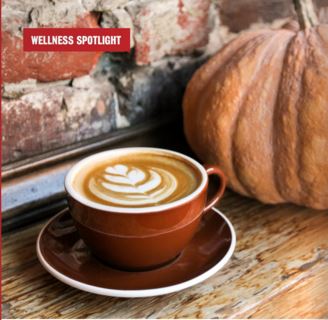
With each level of heat, the bean will lose moisture and some caffeine, while its oils will come to the surface. So a darker roast does not actually indicate a high caffeine content, and neither does a bitter taste. “Coffee should never taste bitter, like we have been conditioned to expect by some of the large chain coffee places. The bitterness usually occurs when a bean is over roasted,” says Don. “Roasting beans is truly an artisan skill: you have to learn to smell it and to see it. You check on the bean as it roasts, as it goes from green to beige to dark brown to dark chocolate brown. Good coffee is mellow on the palate and it varies in flavor intensity from mild to pungent.”

Coffee goes beyond being a desirable morning and winter brew. It builds communities. Pierce LaMacchia and his brother Michael traveled to farms on the West coast and came home with a dream, to build a coffee community hub in Knoxville. Their vision and hard work paid off and K-Brew was listed in Alton Brown’s Top 10 Coffee Stops in his 2014 nationwide tour. The coffee shop uses high end coffee and local organic sources for its dairy. “We bring in a new roaster each month to prepare our two monthly featured roasts. We want to keep things interesting and fresh, to offer Knoxville something unique, that no other shops in town offer.”

Knoxville is known for its strong sense of community, and artisan coffee places are just the right avenue for fostering this bond. So get out of the house and step into a coffee house for a healthy hot brew and a good dose of companionship.

Flavor Favorites

The Golden Roast:GoldenRoast

  • Ethiopian coffee – a great quality bean providing a very clean taste, and a distinct but mild flavor.
  • Mocha-latte – for those who want the best of worlds: a little bit of coffee, a little bit of cocoa, and steamed milk.

K-Brew:KBrew

  • Hot chocolate – Holly Cacao 100% organic chocolate syrup from Portland OR, Cruze Farm milk, organic whipped cream on top, made in house
  • Cappuccino – a great 6 oz well balanced coffee drink with double shot of espresso for the on-the-go coffee aficionados

Blue Mason Coffee:BlueMason

  • Ghiradelli Sweet Ground Chocolate, a dash our homemade vanilla syrup, and Cruze Farm whole milk.

Eat, Drink, Be Merry – and fight colds naturally!

http://cityviewmag.com/2015_01/#p=74

Fight colds naturallyEat, Drink, Be Merry – and Fight Colds Naturally!

By Oana Harrison

All pumped-up to get in shape this year but a cold puts a damper on your plans? Fight back… naturally! Harvest some extra powers for your immune system from fungi, herbs, and spices.

***

New year, healthier you – that’s always the focus in the months following the winter holidays. You are all pumped up about getting in shape, Santa brought you some snazzy work-out gear…and then a cold puts a damper on your ambitious plans. Don’t let that happen this year: eat, drink, be merry – and be the first to give colds a cold shoulder.

There are hundreds of viruses that can cause a cold or the flu and most modern medicine treats the symptoms, rather than the cause of these illnesses. Furthermore, some medicines may actually interfere with our body’s natural healing process. Taking too many antibiotics and over-sterilizing our environment may actually lower our body’s ability to build resistance to viruses. So, switch to natural remedies that will build up your immune system, fight viruses, and minimize the length and impact of a cold or flu this winter.

Eat

To maintain a healthy immune system, your body needs a range of nutrients, the most important being zinc, selenium, iron, copper, folate and vitamins A, C, E and B-6. And don’t forget about vitamin D, which helps with vitamin C absorption. Natural vitamin D is the best and it’s easiest to get from sun light, which might be hard to do during winter months. Your other option is to consume cod liver oil – which doesn’t sound so tasty – or the more palatable egg yokes, salmon, mackerel, and mushrooms.

Mushrooms, actually, have long been used in Asian cultures to help prevent colds. Cremini mushrooms, for example, contain a significant amount of antioxidants, which can help your immune system fight off diseases. These button-shaped mushrooms support white blood cell balance in the body, and positively impact the immune system by providing phytonutrients, including beta-glucans. Beta-glucans fight viruses at cellular level, thus giving your immune system a helping hand. So, when you feel a cold coming on, go for a cup a day of cremini mushrooms.

Another beneficial mushroom, though lesser-known in Western cultures, is reishi, a staple in Chinese herbal medicine for at least 4,000 years. Frequently referred to as the “herb of immortality,” the reishi mushroom is known for its antiviral, anti-inflammatory, antiparasitic, and anti-carcinogenic powers. Depending on how miserable of a cold you get, sometimes even “the herb of immortality” isn’t enough. So add on some maitake mushrooms to the mix. You heard that chicken soup is good for fighting colds – well, so are “hens of the woods”, which is what maitake mushrooms are commonly called. These mushrooms resemble the tail feathers of a nesting hen and they’ve been shaking many-a-cold away. Their reputation precedes them, as Eastern cultures acknowledged them to provide the greatest immune-boost of all mushrooms.

While an optimal intake of vitamins C and D is important for the immune system, so is zinc. Found predominantly in red meat and seafood, zinc plays a crucial role in the development of white blood cells, which help fight infections. The recommended daily amount of zinc for adults is 11 milligrams. A typical one-ounce oyster will contain about 8-9 milligrams of zinc. In addition to oysters, other shellfish tend to be rich in this mineral, as are many other meats. So, go for the comfort and immune system boosting powers of an oyster and clam chowder or for a half-palm size of lean red meat.

Next, spice things up a little, and start cooking with fun and colorful ingredients such as turmeric, cumin, cardamom, cloves, cayenne, cinnamon, black pepper, or curry. There is so much virus-fighting power in just a little pinch of each of these ingredients and they give your food a big taste jump. So, why not add a teaspoon to your stir-fries or soups?

Traditionally known as “Indian saffron”, turmeric has long been used as a powerful anti-inflammatory in both the Chinese and Indian systems of medicine. Turmeric contains curcumin, the polyphenol identified as its primary active component and which exhibits over 150 potentially therapeutic activities, including high in antioxidants and anti-inflammatory properties. Adding black pepper to turmeric significantly increases the body’s ability to absorb turmeric’s healing substances. Cardamom is rich in anti-oxidant compounds and vitamins, including vitamin-C, while cumin seeds are an excellent source of iron (2 tsp deliver 15% of the daily needed intake). Adding cloves to your dishes might reduce inflammatory symptoms by 15-30%. Cayenne, as well as ginger can raise the body temperature, as they stimulate blood flow. Their sweat-inducing effects can actually reduce fevers and relieve sinus congestion. A powerful anti-inflammatory, ginger can also act as an expectorant, relieving sinus pressure. Cinnamon has a wonderful aroma and it has powerful anti-microbial properties. In addition, cinnamon is kept in high regard in traditional Chinese medicine for its warming qualities, providing relief for colds or the flu, especially when mixed in a tea with fresh ginger.

A little green goes a long way and herbs such as oregano, parsley, thyme, peppermint, and tarragon are both tasty and healthy. Nutrient-dense oregano delivers 14% of the daily recommended dose of vitamin K, along with anti-bacterial volatile oils. Parsley might look unassuming, but this little green herb delivers a giant amount of the daily needed vitamin C (54%) and vitamin K (554%) in only half a cup. Thyme contains volatile oils, with thymol being the most potent in fighting infections caused by bacteria. Peppermint makes for a great-tasting tea and it has great anti-oxidant properties. The main substance in Peppermint, rosmarinic acid blocks the production of pro-inflammatory chemicals, and it keeps the airways open for easy breathing. Tarragon is a very rich source of A, B, and C vitamins that function as antioxidants and boost metabolism.


Drink


Mulled wine was a staple of Roman winter medicinal drinks. Infused with herbs and enhanced by spices, wine was used to preserve and administer herbal medicines, making the not-so-tasty remedies go down easier. Irish Hot Toddies are known to kill a few germs and don’t taste too bad either. However, alcohol is still not the best medicinal choice, and it’s not calorie-free either. Go for hot cocoa or, even better, hot tea.

Cocoa – provided that it’s not loaded with sugar – is good for your heart, lowering cholesterol and it also boosts your mood, releasing the make-happy serotonin and dopamine in the brain. Green and black teas are the caffeinated varieties that give you energy, boost your immune system, keep your heart healthy, and help prevent cancer. These teas are high in flavonoids, which are antioxidants that help reduce inflammation, including sore throat swelling and soreness. Herbal teas – or actually infusions of leaves, seeds, roots or bark – provide not only warm comfort but can also help with a variety of illnesses. The hot water preserves the plants’ medicinal benefits and the healing agents are easily assimilated inside the body.

Some of the lesser-known medicinal drinks that fight colds are rosehip tea, kombucha tea, and kefir. Rosehips are the fruit of the rose plants and contain a number of antioxidants, including vitamin C, vitamin E, beta-carotene and lycopene. Kombucha tea is a fermented tea that contains billions of friendly probiotics that help strengthen your immune system by providing a first level of defense against pathogens you might ingest. This is pretty important, given the fact that 70% of our immune system depends on our gut flora. Kefir is a fermented dairy drink that is an even better source of probiotics than Kombucha tea. If you are lactose-intolerant, this is a great choice for you, as kefir is generally 99 percent lactose free.

Be Merry

There is plenty of scientific proof that the power of the mind can influence your body’s health. When we are stressed and tired, our immune system is vulnerable and the evil little germs floating around can’t wait to latch on to us. So put up a fight! With the holidays out of the way, take time to get back into a healthy routine and be sure to schedule some “me” time every day.

Work and everyday life can get hectic and stressful. We try to cram more into our days and end up feeling burned out. If that sounds familiar, read on. Remember that no one benefits if you work yourself into being sick. Get enough sleep and make an effort to relax – it sounds paradoxical but most of us have a hard time justifying taking time to do nothing. If it makes you feel better, call it “meditating,” and just take some time to breathe.

Winter months around east Tennessee can turn things different shades of grey. That doesn’t help enhance anyone’s mood. So bring some sunshine inside using brightly-colored décor, and fight the urge to hibernate. Instead, dress up, go outside, and socialize. Of course, try to be around healthy and positive people and laugh – in the face of colds! Contrary to popular belief, being outside in the cold doesn’t give you one. Colds are brought on by viruses you catch most likely indoors from other contaminated people. Light exercise outdoors can be very good for you, revitalizing your sinuses, and getting your blood going. Of course, if you have the chance, get out of town and travel to warmer climates. Either way, stay positive, keep moving, eat well, and be well!


###


Recipes

Quick Cold Fixes

  • Sore Throat: mix ½ tablespoon of honey into a cup of warm milk
  • Fever and Muscle Pain: add ½ tablespoon of turmeric powder to one cup of milk and boil
  • Colds: shred a 2-3 inch piece of ginger, squeeze out the excess water in a cup; add 1 tablespoon of honey to the liquid and drink it
  • Cough: mix 1/2 tablespoon honey with 1/2 tablespoon cinnamon into a paste-like form and eat a pinch of it, once a day
  • Colds and Coughs: drink a cup of ginger black tea with spices: in 1 cup water boil together for 2-3 minutes 1 pinch of shredded ginger, 2 cardamoms, 2 cloves, and a pinch of cinnamon (optional); add 1/2 tablespoon of ginger black tea and let it steep for a couple of minutes

Curtesy of Kamal, Sitar Indian Cuisine


Cold-Fighting Chicken Marinade

1 cup of sour cream

1 teaspoon of ginger garlic paste

1 teaspoon of turmeric powder

1 teaspoon of garam masala

1 teaspoon of lemon juice

Marinate 4 chicken breasts or 6 legs for 3-4 hours. Bake in a clay pot or roast in a pan on stove-top.

Curtesy of Kamal, Sitar Indian Cuisine

Golden Milk

For one serving you will need:

1 cup milk (cow’s milk, almond milk or coconut milk beverage)

1/4-1/2 teaspoon ground turmeric

3/4- 1 teaspoon honey

1/4 teaspoon ground cardamom (or a few cardamom pods)

A pinch of powdered ginger or small piece of peeled ginger root (optional)

A dash of vanilla extract
 dash of black pepper or black peppercorns (if desired)

A pinch of cloves (if desired)

A pinch of allspice (if desired)

A strainer or sieve

1) Heat the milk on the stove. When milk becomes warm, add turmeric powder. Stir slowly to dissolve any lumps. The liquid will take on a rich, mustard color.

2) Add the honey, ginger root, vanilla, and spices.

3) Keep the pot on gentle heat for a few minutes.

4) Pour the milk through a fine sieve to remove the ginger root, cardamom and pepper. (The turmeric can be a bit grainy, too.)

5) All ingredients can be adjusted for individual tastes! Enjoy!

Curtesy of Sarah Fields, Be Well Knoxville          

Let’s Dance, Knoxville!

David and I wil be teaching a group lesson beginning at 7:15pm on Saturday, November 16, followed by a ballroom dance party.  Come on out and have some fun!  We are looking forward to seeing new faces and old friends!


November16 info

Committment to Quality

In a quest for quality, I feel the need to get on my soap box.  There are a few things that should hold true, regardless of the type of business in which one operates:

1. Be reliable

In my opinion, it doesn’t matter how great of a talent you have, if you don’t show up or keep your promises, you are of no value to your customer.

2. Have expertise

Dancing might not be rocket science but if you become a teacher, you owe it to yourself and to your students to train.  Get a certification or at least get proper training from a certified coach.  If you cannot stay in time with the music, you probably should not be teaching  – harsh, I know but unfortunately happening too often….

3. Be accommodating to your customer’s needs and interests

If you are in it for the quick money or to feed your ego, you’re in it for all the wrong reasons.  The main focus of teaching should be providing your students with knowledge and fun.

OK.  I’m off my box now.

Happy dancing!

Holiday eats – Healthy eats

An apple a day…

Everyone needs to indulge and enjoy some good holiday eating.  However, whenever possible, sneak in a healthy snack.

Easy on the dressing, easy on the dress…

Salads might sound like the healthy option but only if they are not loaded with extras, such as cheese, meat or dressing.  You can easily mix up your own dressing from 1 part water, 1 part apple cider vinegar and 1 part olive oil.  Add 1-2 tbsp of honey, salt and pepper to taste.  Mix well and pour.

Stay away from winter whites!

Choose whole grain flour (pasta, bread) and brown or steamed rice instead of white flour and rice.

Vitamin C-heers!

When enjoying your mixed drinks, try to make your own – that way you can control home much sugar you add.  Use citrus fruit for an extra helping of vitamin C, like this orange mojito, courtesy of cookingchanneltv.com.

Orange Mojito

From Food Network Kitchens

Total Time:
4 min
Prep:
4 min
Level:
Easy
Yield:
1 serving

Ingredients

  • 1/2 orange, cut into 3 wedges
  • 1/2 lime, cut into 3 wedges
  • 2 teaspoons sugar
  • 1 or 2 sprigs fresh mint
  • 2 1/2 ounces white rum
  • 1 cup crushed ice

Directions

Put the oranges, limes, sugar, and mint in a large rocks glass. Muddle the leaves and citrus by pressing them with a pestle or a wooden spoon until juicy and fragrant. Add the rum and ice. Cover with a cocktail shaker and shake vigorously, or stir, until combined and chilled, about 30 seconds. (In general, by the time the shaker mists up the drink is ready.) Serve.

Copyright (c) 2004 Television Food Network, G.P., All Rights Reserved.

Your Friendly Neiborhood Dance Studio

This slideshow requires JavaScript.

January 27, 2011 – Studio rented out for a night of dancing, especially catered for the Whittington Creek residents – Oana and David Harrison hosting at Absolute Ballroom (absoluteballroomtn.com); [unbelievably delicious)]cupcakes provided by The Cup (cravethecup.com).

I met Sharon and Theresa while networking at eWomen, a nationwide professional networking association.  Sharon mentioned she wanted us to organize a dance soiree for the residents of Whittington Creek, so Theresa and I got the ball rolling.  And we all had a ball! 

We met at Absolute Ballroom at 7:30pm on a Thursday.  We started off with a nice lesson, introducing the waltz, swing, and tango.  Then we let the music play and everyone got the chance to practice what they just learnt in the class.  After all that hard work (not 😉 ), the cupcakes were a nice touch…

It was a fun night and we are looking forward to more!

A Christmas Classic

David and I danced a foxtrot on “The Best Things Happen While You Dance” from the movie “White Christmas” at Absolute Ballroom’s Christmas Party this year.

http://www.youtube.com/watch?v=78d06yT3isk

A cute/sweet routine, nothing fancy but fun nonetheless…